
4-6 months before: the guest list and the big decisions

Start with the guest list. Everything else follows from the number: the venue, the menu, the budget. Write down more than a name and a phone number: whose side each guest is on, and which language they read. In a family where grandma reads Russian and the groom's friends read Hebrew, that saves more than one evening later.
Decide early about children and plus-ones, and make it the same rule for everyone. It is the most common awkward question, and it is easier to answer once than guest by guest.
Sign contracts with the venue, the photographer and the MC, and check that the date in every contract is the same one. Agree straight away who pays for what, especially when both sets of parents are involved.
If it is a wedding and you are working out the budget, think about the guests' gifts too: how much to give at an Israeli wedding and what moves the amount.
6-8 weeks before: the invitations

Write the invitation in every language your guests read. Do not translate word for word: a Hebrew invitation is phrased differently from an English one, with the names in a different order and a different way of addressing guests. Put the Hebrew date beside the ordinary one.
Decide what the reply will ask: coming or not, how many, with children or not, any special meals. The more you learn up front, the less you will have to chase later.
Send the invitations. Earlier for guests abroad, who still have flights to book.
Ready-made wording is in our guide to wedding invitation wording in Hebrew, English and Russian.
3-4 weeks before: a reminder, the menu and the journey

Remind those who have not replied. It is rarely a no: people open an invitation, mean to answer, and forget. A short personal message works better than a general one.
Collect the special meals: vegetarian, gluten-free, the level of kashrut needed. The venue would rather have them in one summary than one at a time.
Think about the journey: where to park, whether older guests need a shuttle, how to find the entrance if the venue is out of town.
2 weeks before: the seating and the final count
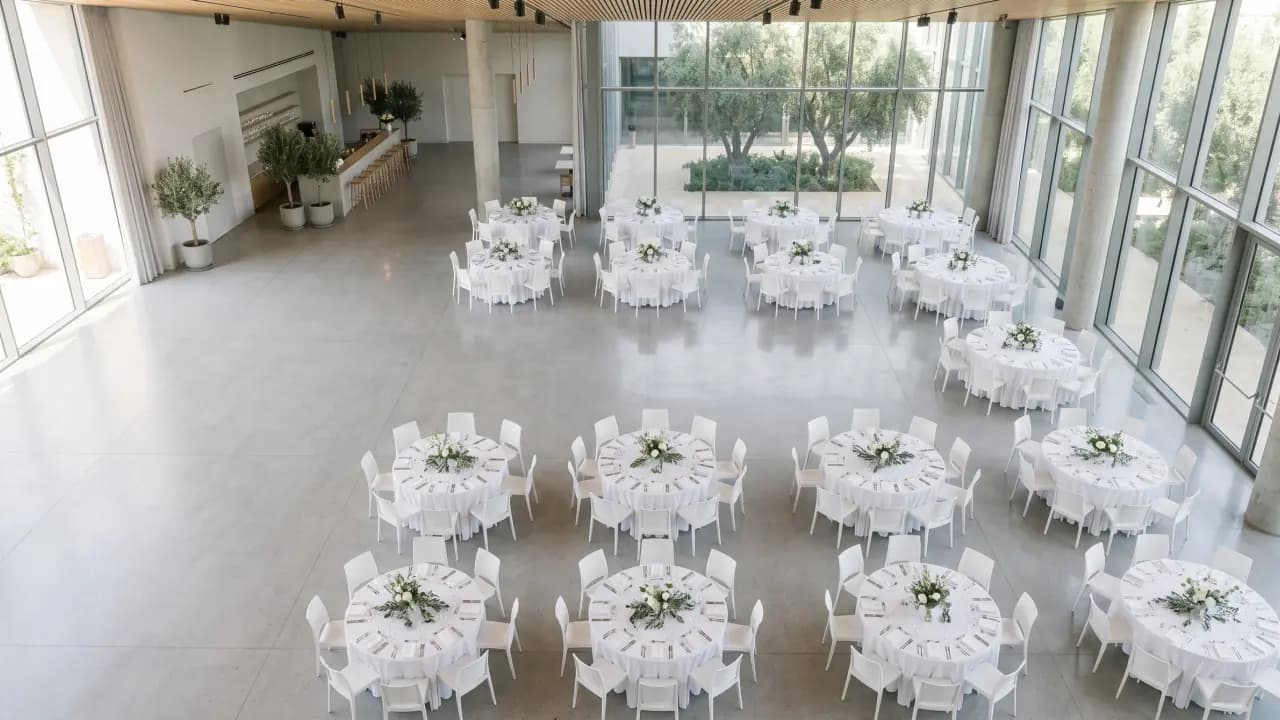
Seat people by their replies, not by the list of who was invited. Who should not sit together, older guests away from the speakers, a table for the children.
Give the venue the final head count and the special meals. Venues usually charge by that number, so check it once more against the replies.
1-2 days before: the day-before message
Send one short message: the address, the time, where to park and a link for navigation. It is opened on the day, by someone looking for the way, so everything they need goes in the message itself rather than behind a link to the invitation.
Get the list of guests and tables ready for the entrance: on paper, or on a tablet with whoever greets people.
On the day

Choose someone to greet the guests and answer the "where is the entrance" calls. Not you, and not your parents: you have other things to do that day.
Decide in advance how guests will share their photos. Some of the best shots of the day are taken not by the photographer but on the guests' phones.
Afterwards
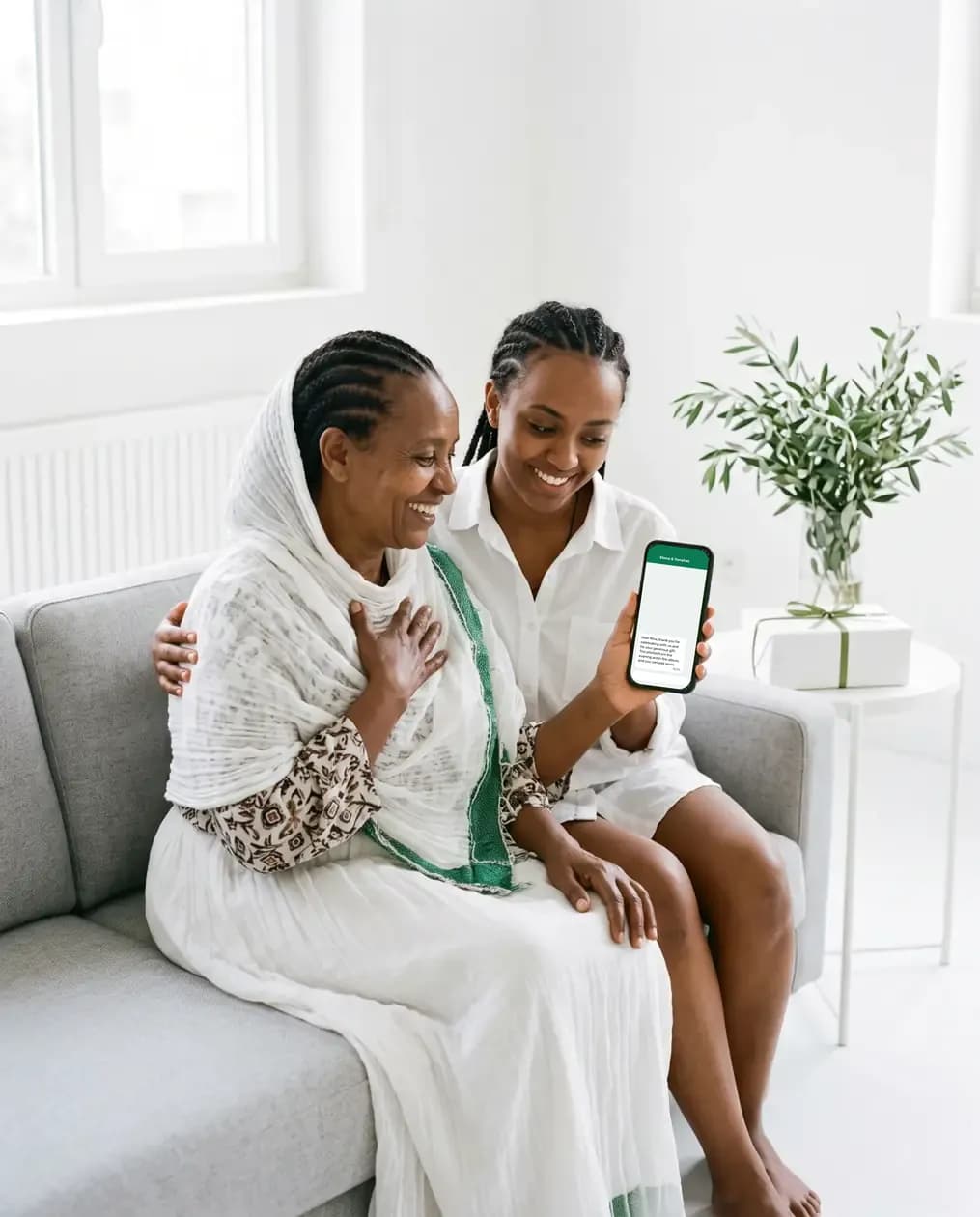
Thank your guests within a week, while it is all still fresh. A couple of warm lines beat a long letter a month later.
Share the photos with your guests, and settle the expenses and the gifts while every receipt is still at hand.